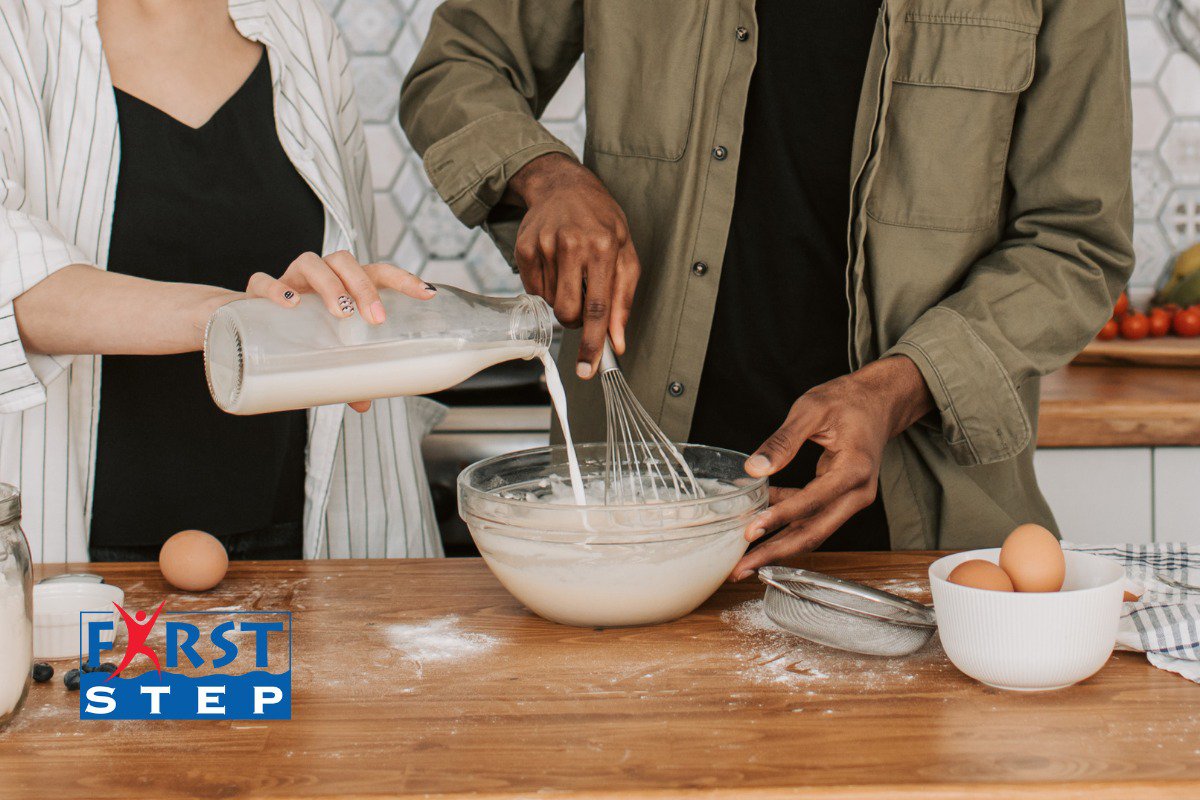
Basic cooking techniques open doors to greater independence and confidence for adults with disabilities. A young adult in Hot Springs may be preparing their first meal alone. A family could be teaching cooking skills that lead to more independent living. What basic cooking techniques should you learn first? How can you make the kitchen a safer, more accessible space? What simple steps build confidence with each meal? Learning to cook means more than following recipes; it means gaining life skills that support health, independence, and pride.
Key Takeaways:
- Basic cooking techniques include three main heat methods: dry heat (sauté, roast), moist heat (boil, steam), and combination heat (braise, stew).
- Essential kitchen tools include a chef's knife, cutting board, measuring cups, and a sturdy pan with lid for versatile cooking.
- Mise en place means preparing all ingredients before cooking starts, reducing stress and helping you stay organized throughout the process.
- Safe knife skills use the claw grip to protect fingers, keeping knuckles forward and fingertips tucked while cutting.
- Measuring correctly matters: use dry measuring cups for flour and sugar, liquid measuring cups for water and oil.
- Food safety requires refrigerating cooked food within two hours and reheating leftovers to 165°F to prevent illness.
Understanding Basic Cooking Techniques
Basic cooking techniques fall into three categories based on how heat is applied. Understanding these methods helps you choose the right approach for different foods.
Dry Heat Cooking Methods
Dry heat uses air or fat to cook food. These methods create browning and rich flavors. Sautéing cooks food quickly in a small amount of oil over medium-high heat. Heat your pan first, add oil, then add chopped vegetables or protein. Stir often to prevent burning.
Roasting uses dry oven heat and works well for vegetables and proteins. Preheat your oven to the recipe temperature. Spread food in a single layer on a baking sheet. Turn food halfway through for even cooking.
Pan-searing uses high heat and a little oil to create a golden crust on meat or fish. Heat the pan until very hot. Add your protein and let it cook without moving it for several minutes before flipping.
Moist Heat Cooking Methods
Moist heat uses water or steam to cook food gently. These methods help retain nutrients and work well for delicate foods. Boiling uses rapidly bubbling water. Use it for pasta, potatoes, or eggs. Always start with enough water to cover your food completely.
Simmering uses gentler heat with smaller bubbles. The temperature stays just below boiling. Use this method for soups, rice, beans, and sauces. Simmering develops flavors without breaking food apart.
Steaming cooks food using vapor from boiling water. Place food in a basket or steamer above the water level. Cover with a lid to trap steam. This method preserves color, texture, and nutrients especially well for vegetables like broccoli or green beans.
Combination Cooking Methods
Combination methods start with dry heat, then finish with moist heat. Braising begins by browning meat or vegetables in oil, then adding liquid and covering to cook slowly. This method makes tough cuts tender and develops deep flavors.
Stewing uses more liquid than braising, with food completely submerged. All ingredients cook together in the liquid, creating hearty, comforting meals. Both methods work wonderfully for one-pot meals that are easier to manage.
At First Step, Inc., we help adults with disabilities in Central and Southern Arkansas learn these basic cooking techniques as part of comprehensive life skills training. Our adult programs emphasize practical skills that support greater independence.
Comparing Basic Cooking Techniques
| Cooking Method | Heat Type | Best Foods | Skill Level | Time Required |
|---|---|---|---|---|
| Boiling | Moist | Pasta, eggs, potatoes | Beginner | 10-20 minutes |
| Steaming | Moist | Vegetables, fish | Beginner | 5-15 minutes |
| Sautéing | Dry | Vegetables, thin proteins | Beginner-Intermediate | 5-10 minutes |
| Roasting | Dry | Vegetables, chicken, beef | Intermediate | 20-60 minutes |
Building Safe Knife Skills Step by Step
Good knife skills make cooking faster, safer, and more enjoyable. Sharp knives are actually safer than dull ones because they require less pressure and are less likely to slip.
Choosing the Right Knife
Three knives handle most kitchen tasks. A chef's knife is your main tool for chopping vegetables, slicing meat, and general prep work. A paring knife handles small tasks like peeling apples or trimming vegetables. A serrated knife cuts through bread, tomatoes, and other soft items without crushing them.
Start with just a chef's knife and paring knife if you're building your first kitchen toolkit. Quality matters more than quantity.
The Claw Grip for Safety
The claw grip protects your fingers while cutting. Curl your fingertips inward, keeping your knuckles forward. Your knuckles guide the knife blade while your fingertips stay safely tucked back. This hand position prevents cuts even if the knife slips.
Hold the knife handle firmly with your other hand. Your thumb and forefinger should grip the blade just above the handle. This gives you better control than holding only the handle.
Basic Cutting & Cooking Techniques
Chopping creates rough, uneven pieces. Use this for ingredients that will cook down, like onions for soup. Dicing creates small, uniform cubes. These cook evenly and look neat in finished dishes. Slicing creates thin, flat pieces good for sandwiches or stir-fries.
Practice these techniques slowly at first. Speed comes naturally with repetition. Place a damp towel under your cutting board to prevent slipping. Stand close to your work surface with good posture.
First Step, Inc. incorporates adaptive techniques and supportive instruction to help each person succeed in the kitchen. Our life skills training recognizes that everyone learns differently and at their own pace.
Using Mise en Place to Stay Organized
Mise en place is a French term meaning "everything in its place." This approach reduces stress and helps you cook more successfully.
Preparing ingredients before you start cooking prevents mistakes and rushing. You won't discover you're missing an ingredient halfway through. You won't burn food while frantically chopping vegetables. You can focus on the cooking process itself.
Steps for Effective Mise en Place
Read your entire recipe first. Check that you have all ingredients and understand each step. Note if anything needs special prep, like marinating or soaking. Look up unfamiliar terms before you begin.
Gather all ingredients and tools. Set out your pots, pans, utensils, and ingredients where you can easily reach them. Wash and chop all vegetables. Measure liquids and dry ingredients into small bowls or containers.
Group ingredients by when they're added. Place items used together near each other. Keep a small bowl nearby for scraps and peels. This organization keeps your work area cleaner.
Time-Saving Prep Habits
Use timers to track cooking stages. This frees your attention for other tasks. Clean as you go by washing prep tools while food cooks. Wipe counters between tasks. An organized, clean workspace reduces stress and makes cooking more enjoyable.
First Step, Inc.'s adult programs teach organizational strategies alongside cooking skills. These habits support success in the kitchen and transfer to other areas of daily life.
Measuring and Seasoning: Basic Cooking Techniques
Accurate measuring and proper seasoning transform basic ingredients into delicious meals. Season in layers rather than all at once. Add salt to vegetables when they start cooking. Season meat before cooking. Salt the pasta water before adding pasta. Taste and adjust seasoning before serving.
Salt brings out natural flavors in food. Start with small amounts and taste as you cook. You can always add more, but can't remove excess. Kosher salt is easier to control than table salt because the grains are larger.
Add dried herbs and spices early in cooking. Heat releases their flavors. Add fresh herbs near the end of cooking to preserve their bright taste and color. Common dried herbs include oregano, thyme, and basil. Popular spices include cumin, paprika, and black pepper.
If food tastes too salty, add a squeeze of lemon juice, a splash of vinegar, or a pinch of sugar to balance flavors. Add more unseasoned ingredients if possible.
Measuring Dry Versus Liquid Ingredients
Use different measuring tools for dry and liquid ingredients. Dry measuring cups have flat tops for leveling. Spoon flour or sugar into the cup, then level off the top with a knife. Don't pack or shake the cup unless the recipe says so.
Liquid measuring cups have spouts and measurement lines. Place the cup on a flat surface. Pour liquid to the desired line. Check the measurement at eye level for accuracy. Using the wrong type of measuring cup can throw off your recipe.
Cooking Complete Meals with Confidence
Mastering a few basic recipes builds confidence for more complex cooking.
Cooking Rice and Pasta
Rice uses a two-to-one ratio: two cups of water for one cup of rice. Rinse rice first to remove excess starch. Add rice, water, and a pinch of salt to a pot. Bring to a boil, then reduce the heat to low. Cover and simmer for 15-20 minutes without lifting the lid. Remove from heat and let rest five minutes before serving.
Pasta needs lots of boiling water and salt. Fill a large pot three-quarters full. Salt the water generously. Bring to a rolling boil before adding pasta. Stir occasionally to prevent sticking. Cook until al dente, which means tender but still slightly firm. Save half a cup of pasta water before draining. This starchy water helps the sauce stick to pasta.
Basic Cooking Techniques for Preparing Eggs, Fish, and Chicken
Eggs offer many possibilities. For scrambled eggs, whisk eggs with a pinch of salt. Cook over low heat, stirring gently. Remove from heat while still slightly creamy. For boiled eggs, cover eggs with cold water, bring to a boil, then remove from the heat. Cover and let sit six minutes for soft-boiled, nine minutes for hard-boiled.
Fish cooks quickly and stays moist with proper technique. Heat oil in a pan over medium-high heat. Place the fish skin-side down if it has skin. Cook without moving for most of the cooking time. Flip once. Fish is done when it flakes easily with a fork.
Chicken should always reach 165°F internal temperature for safety. Season both sides with salt and pepper. Roast at 400°F for about 30 minutes for boneless pieces. Use a meat thermometer to check the thickest part.
Simple One-Pot Meals
One-pot meals simplify cooking and cleanup. Try rice bowls with canned beans, sautéed vegetables, and a fried egg on top. Make pasta with canned tomatoes, garlic, and fresh or frozen vegetables. Cook simple chili using ground meat, canned beans, canned tomatoes, and chili powder.
These meals use pantry staples and basic cooking techniques you've learned. They're forgiving recipes that allow creativity and substitutions based on what you have available.
Basic Cooking Techniques: Food Storage & Safety
Food safety protects your health. Good storage habits also save money by reducing waste.

Safe Food Storage Practices
Cool cooked food slightly before refrigerating, but don't leave it out longer than two hours. Store food in airtight containers. Label each container with the date. Eat refrigerated leftovers within four days.
Freeze portions you won't eat soon. Use freezer-safe containers or bags. Label with contents and date. Most cooked foods keep well frozen for two to three months.
Proper Reheating Methods for Basic Cooking Techniques
Reheat leftovers to 165°F to kill any bacteria that may have grown. Use a food thermometer to check the temperature in the thickest part. Stir microwaved food halfway through heating since microwaves create hot and cold spots.
Heat the food until it steams throughout. Never reheat the same food more than once. If you don't finish reheated leftovers, throw them away rather than refrigerating them again.
Reducing Kitchen Waste
Plan meals before shopping. Buy only what you'll use soon. Use vegetable scraps, bones, and herb stems to make homemade broth. Freeze scraps in a bag until you have enough. Compost vegetable peels if possible.
Store produce properly to extend freshness. Keep tomatoes and bananas on the counter. Refrigerate berries and leafy greens. Learn which fruits and vegetables store well together.
Essential Tools for Successful Basic Cooking Techniques
You don't need many tools to cook well. Focus on versatile, quality basics.
- Chef’s knife
- Paring knife
- Wood or plastic cutting board
- Large sauté pan + lid
- Medium saucepan + lid
- Dry + liquid measuring cups
- Measuring spoons
- Utensils (tongs, spatula, whisk, wooden spoon)
- Vegetable Peeler
- Colander (strainer)
These tools don't need to be expensive. Focus on items that feel comfortable and work reliably.
Helpful Resources for Continued Learning
Practice builds skills faster than reading alone. Start with simple recipes using a few ingredients. Gradually try new techniques as confidence grows. Make the same recipe multiple times to master it before moving to something new.
First Step, Inc. serves adults with disabilities throughout Central Arkansas by teaching practical life skills, including cooking, meal planning, and kitchen safety. Our adult programs provide individualized instruction that meets each person where they are and helps them progress at their own pace.
Online communities offer support and answer questions. Video tutorials show techniques in action.
Building Independence Through Life Skills at First Step, Inc.
Basic cooking techniques provide more than just the ability to prepare meals. They build independence, boost confidence, and support healthier living. From understanding heat methods to practicing knife safety, from staying organized with mise en place to creating complete meals, each skill contributes to greater self-sufficiency.
We believe every person deserves the opportunity to develop skills that support independence and quality of life. Cooking is one of many life skills we teach through patient, supportive instruction that recognizes each person's unique abilities and learning style.
Whether you're an adult with disabilities seeking to expand your skills or a family member supporting someone's journey toward greater independence, First Step, Inc. is here to help. Our experienced team provides the guidance, patience, and encouragement that make learning possible.
Ready to explore how life skills training can support greater independence? Visit First Step, Inc. to learn more about our adult programs and services. Contact us to discuss how we can support your goals. Building independence starts with one skill at a time, and we're here to help with each step forward.