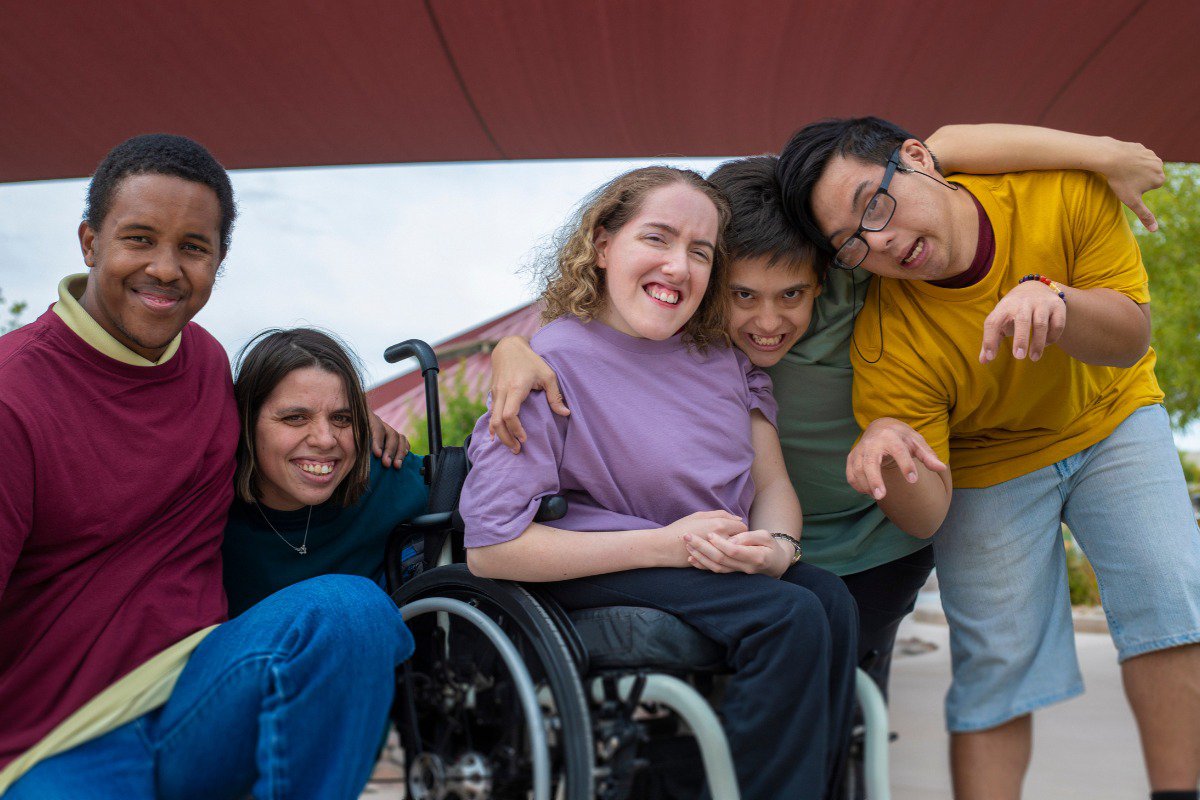
Caring for an adult with intellectual or developmental disabilities is filled with profound love and unique challenges. Genuine support is crucial: structured care, a safe environment, and expert guidance. An adult day program might provide exactly what you and your loved one are seeking. But how do you know if it's the best fit for your family? Explore the offerings of these programs, and begin to determine if one aligns with your needs.
Key Takeaways:
- Adult day programs provide daytime care, social activities, meals, and health checks for older adults and people with disabilities.
- They differ from full-time care because participants return home each night.
- Best for adults needing support throughout the day but not round-the-clock care, particularly those with memory issues, mobility challenges, or isolation.
- Services include personal care, nursing support, meals, transportation, and therapies (music, occupational, cognitive).
- Specialized support is available for individuals with dementia, autism, or intellectual disabilities.
- An adult day program improves quality of life by encouraging social contact, stimulating the mind, and creating daily structure.
- Family caregivers benefit from respite, education, and reliable daytime support.
Understanding Adult Day Programs
Adult Day Programs provide structured services and care for those with intellectual or developmental disabilities during the hours when family members are away or busy. They support adults who benefit from regular assistance but don’t require overnight care to function. Community engagement, professional support, and meaningful activities run on a set schedule, similar to a school day.
First Step, Inc. provides comprehensive adult day programming, helping individuals with disabilities develop skills that support their independence.
Adult Day Program Benefits
Participants improve and develop new skills while gaining companionship and participating in their community. Then, caregivers receive essential rest, making it possible for them to continue providing long-term care at home.
Adults at First Step, Inc. progress toward personal goals every day, with activities like life skills training, creative expression, and recreational time. These programs are part of community-based care for adults with disabilities, allowing individuals to stay engaged without leaving home for long periods of time, or permanently.
Primary Goals & Outcomes
An adult day program may aim to:
- Keep individuals with disabilities active and mentally engaged, helping to slow cognitive decline and develop life skills for independence.
- Promote safety through medication assistance, early detection of health issues, and fall prevention.
- Support family caregivers to prevent exhaustion and maintain well-being.
Structured activities fill the day with purposeful engagement, including life skills instruction, creative activities, physical exercise, sensory activities, music and movement, and group games designed for various ability levels. Health monitoring ensures participant safety and well-being.
Specialized Disability Support
An adult day program serving adults with autism often provides visual schedules, sensory-friendly spaces, communication supports like picture boards or assistive devices, structured routines that reduce anxiety, and staff trained in autism support strategies.
For adults with intellectual disabilities, programs emphasize skill development at appropriate paces, task breakdown into manageable steps, positive reinforcement, and activities building on individual strengths and interests. Adults with physical disabilities benefit from accessible facilities, adaptive equipment, assistance with mobility, and inclusive programming where everyone participates meaningfully.
First Step, Inc. serves adults with disabilities throughout Central and Southern Arkansas with programming designed around individual needs, abilities, and goals.
How an Adult Day Program Improves Quality of Life
Quality adult day programs transform lives by addressing isolation, building skills, and creating community connections.
Reducing Isolation Through Social Connection
Adults with disabilities often experience profound isolation, particularly after aging out of school services. Day programs create opportunities for friendship through shared meals, group activities, and milestone celebrations.
Additionally, consistent daily interactions help individuals feel valued and connected. Participants in First Step’s adult day program look forward to seeing familiar faces and engaging in activities together. This social engagement significantly improves mood, reduces anxiety, and enhances overall quality of life.
Some programs extend beyond the center with community outings to local attractions, volunteer opportunities, and participation in community events. These experiences help adults with disabilities become active community members.
Building Independence Through Skill Development
Adult day programs emphasize practical skill development that increases independence. Life skills instruction might cover meal preparation basics, personal hygiene and grooming, money handling and budgeting concepts, using public transportation, and appropriate social communication.
Vocational skill development prepares interested participants for potential employment through following multi-step instructions, working as part of a team, maintaining focus on tasks, and understanding workplace expectations.
Structured routines in adult day programs provide comfort and predictability, particularly important for adults with autism or anxiety. Therapeutic activities, including music therapy, art projects, sensory activities, and movement exercises, all contribute to overall well-being.
Choosing the Right Adult Day Program
Selecting an appropriate program requires evaluating several important factors.
Staff Qualifications and Environment
Ask about staff credentials and experience working with adults with disabilities. Quality programs employ staff with relevant education and ongoing training in disability services, behavior support, and person-centered approaches. Staff-to-participant ratios matter significantly; smaller ratios allow more individualized attention.
Evaluate the physical environment for wheelchair accessibility, secure outdoor spaces, clean and accessible restrooms, clear pathways, and appropriate safety features. Ask about emergency preparedness, including evacuation plans, staff training in first aid and CPR, and medication management protocols.
Adult Day Program Philosophy and Activities
The adult day program's approach should align with your values and your loved one's needs. Person-centered programs focus on individual goals and interests. Review the typical daily schedule. Does it include varied activities? Are there quiet spaces for participants who need breaks?
Schedule visits to observe programs in action. Watch staff interactions with participants. Do staff speak respectfully and engage positively? Notice participant engagement. Do people seem happy and involved? Trust your instincts about whether your loved one would feel comfortable.
Supporting Family Caregivers
Adult day programs recognize that supporting participants means supporting their entire families. Regular, reliable respite allows family caregivers to sustain their caregiving roles long-term. This respite time allows caregivers to maintain employment, attend to personal health needs, manage household responsibilities, and maintain relationships with other family members.
Many programs offer family support, including caregiver support groups, connections to community resources, education about disability-related topics, and assistance innavigating funding and services. Quality programs provide regular communication, keeping families informed about activities, progress toward goals, and any concerns.
First Step, Inc. recognizes that families need comprehensive support systems. Our adult programming connects families throughout Central and Southern Arkansas to resources that help them continue providing care while maintaining their own well-being.
Finding Quality Adult Day Programs Near You
The Arkansas Department of Human Services Division of Developmental Disabilities Services provides information about programs serving adults with intellectual and developmental disabilities, like the adult day program at First Step.
Confirm that programs are licensed by the appropriate state agencies. Arkansas regulates adult day programs through specific licensing requirements, ensuring minimum safety and quality standards. Ask about accreditations from national disability organizations.
During visits, ask detailed questions about staff training, behavior support approaches, emergency procedures, how the program accommodates various disabilities, communication with families, and how individual goals are developed and tracked.
Most programs require an intake process including health information, current abilities and support needs, goals for participation, and emergency contacts. Ask if the program offers trial attendance or a gradual introduction for new participants.
Adult Day Programs at First Step, Inc.
The adult day program at First Step, Inc. provides adults with disabilities opportunities for growth, connection, and meaningful community engagement. From structured skill-building activities to social connections that combat isolation, quality programs support both participants and their families.
First Step, Inc. serves adults with disabilities throughout Central and Southern Arkansas with comprehensive day programming designed around individual needs and goals. Our experienced team creates supportive environments where adults with disabilities develop skills, build friendships, and engage meaningfully in their communities.
We understand that choosing an adult day program represents a significant decision for families. Our approach emphasizes person-centered support, family partnership, and creating pathways to greater independence and community inclusion.
Ready to explore adult day programming options? Visit First Step, Inc. to learn more about our adult services in Central and Southern Arkansas. Contact us to schedule a tour, discuss your loved one's needs, and discover how our programs can support your family. Every adult with disabilities deserves opportunities for growth, connection, and meaningful community participation.