
Finding stable housing for your loved one with disabilities can be challenging. If you're a caregiver seeking supportive and structured steps toward independence for your loved one, transitional housing for adults with disabilities could be a valuable option. These programs provide meaningful support for adults with intellectual and developmental disabilities. Start by learning how these programs work, who qualifies, and whether this path fits your family’s unique needs.
Key Takeaways:
- Transitional housing for adults with disabilities focuses on skill-building and community integration.
- Supported living allows individuals to live in their own homes or apartments with staff assistance.
- Services often include help with budgeting, meal planning, and transportation.
- Medicaid waivers, such as the CES Waiver, are a primary funding source for these services.
- Community inclusion reduces isolation and builds a strong sense of belonging.
- The goal is long-term stability rather than a temporary fix.
Understanding Transitional Housing for Adults with Disabilities
Transitional housing for adults with developmental disabilities functions as a stepping stone toward a permanent, independent lifestyle. Unlike temporary shelters, this concept most often refers to "supported living" or community-based housing models. The "transition" includes moving from a highly dependent environment, such as a family home or institution, into a setting where the individual makes their own choices with the right level of support.
This model prioritizes the individual’s goals. Support staff work to ensure safety while encouraging autonomy. The objective is to move away from a care-taking model and toward a skill-building model. This empowers adults to manage their own households, engage in social activities, and maintain employment.
Families who work with First Step Arkansas find comfort in having a team that walks with them through each stage of this transition. These supports create a pathway that feels manageable for both individuals and the families who care for them.
Comparing Institutional Care and Supported Living
It helps to understand how modern transitional and supported housing differs from older, institutional models. The shift aims for greater freedom and community presence.
| Feature | Institutional Care | Supported Independent Living |
|---|---|---|
| Living Setting | Large facilities, isolated from the public | Private apartments, shared homes, or family homes |
| Daily Routine | Strict schedules set by the facility | Flexible schedules chosen by the individual |
| Decision Making | Limited choice in meals, activities, or decor | Full choice in lifestyle, food, and daily activities |
| Community Access | Rare or supervised group outings | Daily integration, including work and social events |
| Staff Role | Custodial care and supervision | Coaching, mentoring, and support facilitation |
Essential Services That Build Independence
A robust program for transitional housing for adults must offer more than just a roof over their head. The physical space is only one part of the equation. The services provided within that space determine the success of the transition. At First Step Arkansas, these sorts of services are delivered with a person-first philosophy, helping each adult grow at a pace that feels safe and achievable.
Life Skills Training and Development in Transitional Housing for Adults
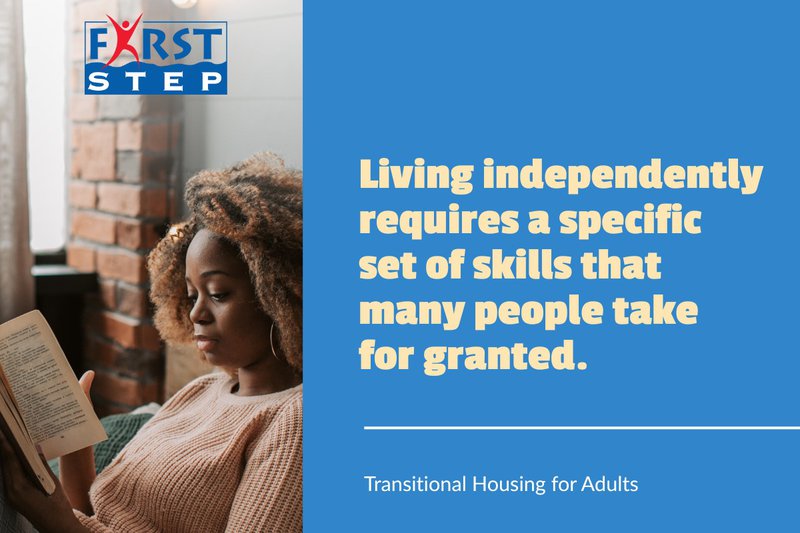
Living independently requires a specific set of skills that many people take for granted. Supported living programs provide hands-on training in daily tasks. Staff members assist with grocery shopping, meal preparation, and household chores. They also teach personal hygiene routines and medication management. Over time, the goal is for the individual to perform these tasks with as little assistance as possible.
Financial Management and Budgeting
Economic stability is vital for independence. Support teams help individuals understand banking, bill payments, and budgeting. This ensures that rent and utilities are paid on time. Learning the value of money and how to save for personal wants empowers adults to control their own resources.
Transportation and Mobility in Transitional Housing for Adults
Being able to get around the community is key to feeling free. Services often include transportation training. This might involve learning how to use public transit, understanding ride-share apps, or utilizing agency-provided transport for appointments and social events.
Eligibility for Transitional Housing for Adults with Disabilities
Determining eligibility is the first step in accessing transitional housing for adults with disabilities. In Arkansas, these services are typically geared toward individuals with a diagnosis of a developmental or intellectual disability that occurred before age 22.
The Role of Medicaid Waivers in Transitional Housing for Adults
Most supported living arrangements are funded through Medicaid Home and Community-Based Services (HCBS) waivers. In Arkansas, the Community and Employment Supports (CES) Waiver is a primary avenue for funding. This waiver is designed to help individuals live in the community rather than in a nursing home or intermediate care facility.
You must apply for these waivers through the state Department of Human Services. Because there can be waiting lists, it is crucial to begin the application process as early as possible. Documentation of the disability, financial status, and functional needs will be required.
Community Integration in Transitional Housing for Adults with Disabilities
Isolation can ultimately harm adults with disabilities. Effective housing programs emphasize community integration as a core value. This means the individual is not just living in a neighborhood but is an active part of it.
Social Connections and Belonging
Programs encourage participation in local events, clubs, and religious organizations. Building relationships outside of paid staff and family members is essential for emotional health. These interactions build a support network that enhances safety and quality of life.
Employment and Volunteerism
Transitional housing for adults often pairs with supported employment services. Having a job or a regular volunteer position provides a sense of purpose. It also allows individuals to contribute their talents to society. Vocational training helps match the individual’s skills and interests with the right employer, ensuring long-term job retention.
Steps to Secure Transitional Housing for Adults
Finding the right arrangement can feel overwhelming, but breaking it down into manageable steps makes the process clearer.
- Assess Needs and Goals: Sit down with your loved one and discuss what they want. Do they want a roommate? Do they want to live in a specific city? Determine the level of daily support required.
- Secure Funding: Ensure that Medicaid eligibility and waiver funding are in place. This funding is what pays for the support staff who make independent living possible.
- Choose a Provider: Look for licensed providers who specialize in developmental disabilities. Ask about their philosophy on independence and community inclusion.
- Create a Transition Plan: Innovative providers will help you draft a transition plan. This includes a timeline for the move, a list of necessary household items, and a schedule for gradually increasing time spent at the new residence.
Creating a Long-Term Plan for Success
Transitional housing for adults is not a final destination but a hopeful beginning toward long-term stability and independence. Lasting success requires ongoing evaluation and adjustment.
Developing a Person-Centered Plan
A Person-Centered Plan (PCP) is a living document that guides the services provided. It outlines the individual’s strengths, preferences, and goals. This plan should be reviewed regularly. As the individual gains new skills, the level of support can change. Perhaps they need less help with cooking but more help with navigating complex social situations. The plan adapts to their growth.
The Role of the Family
Your role changes from primary caregiver to advocate and supporter. This shift allows you to focus on the relationship with your loved one rather than the daily grind of caretaking. You remain a vital part of the team, ensuring that the provider is meeting standards and that your loved one is happy.
Overcoming Common Barriers to Independence
Fear is the biggest barrier families face. Parents often worry that their child cannot handle life without them. However, with the right structure, individuals with disabilities often exceed expectations.
Another barrier is the complexity of the system. Navigating housing vouchers, Social Security benefits, and waiver rules is difficult. This is why partnering with an experienced organization like First Step Arkansas is helpful. They can guide you through the paperwork and advocacy required to secure a stable home.
Why Specialized Support Matters
Generic housing programs rarely meet the nuanced needs of adults with developmental disabilities. Specialized programs understand sensory needs, communication challenges, and behavioral supports. Staff are trained to de-escalate stress and encourage positive coping mechanisms.
Choosing a provider that focuses specifically on developmental disabilities ensures that the environment is set up for success. They understand that independence does not mean doing everything alone. It means having the right help available when needed so that you can live life on your own terms.
Taking the Next Step Toward a Brighter Future
Transitional housing for adults offers a pathway to a life filled with dignity, choice, and community connection. It transforms the fear of the future into a plan for stability. By focusing on ability rather than disability, these programs prove that everyone deserves a place to call home.
If you are ready to explore options for supported living and community integration, First Step Arkansas is here to guide you. We specialize in empowering adults with developmental disabilities to live full, meaningful lives. Contact First Step today to discuss how our adult services can support your family’s journey toward independence.